
I wanted to walk while I worked, without a machine taking over the room.
How the Office Walker started.
Working from home with a desk job and two little kids meant almost no time for workouts. I was moving less, and I could feel what sitting all day was doing.
Getting a walking pad changed that. I could easily hit 10,000 steps while working, and I felt more energized and more focused. But the electric models I tried were noisy and unreliable, and none of them were built to last. The high end manual ones were bulky and priced in the thousands.
So in mid 2024 I decided to build something better for myself. A quiet, compact, durable manual walking pad made for a real home office. No motor and no remote. Just movement, powered by me and to look like it belongs in my decor.
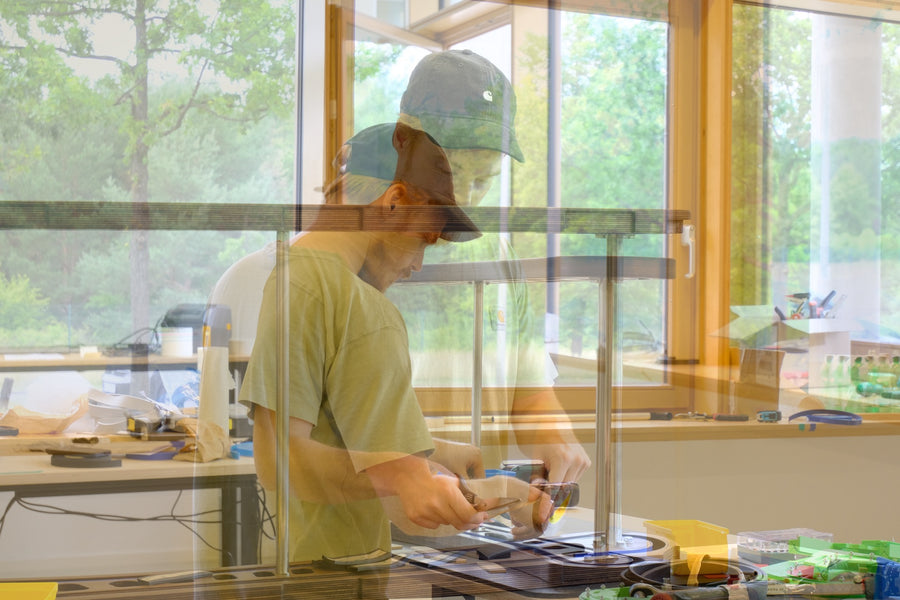
Getting a walking pad changed everything. I could easily hit 10,000 steps while working and felt more energized and focused. But the electric models I tried were noisy, unreliable, and not built to last. So I decided to build something better.
The prototype that did not work is the reason this one does.
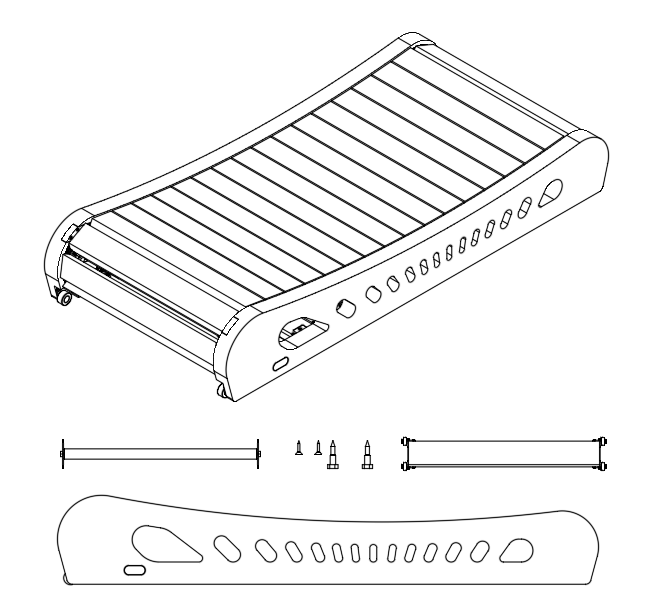
The first prototype used the same mechanical design you find in a traditional curved manual pad. It worked, but it could not be made compact enough to sit in a room people actually live in.
That limitation pushed me to create 30 different prototypes to invent a new mechanical system, which we have since filed a patent application for. In early 2025 I laser cut a proof of concept at home, an Office Walker that actually worked, small with low noise. From there we refined it into a full size prototype that kept the quiet motion and lost the bulk. That is when I knew it was ready to show people.
Two years, more than twenty prototypes.
Every stage below fixed something the one before it got wrong. The dates are real, including the ones that moved.
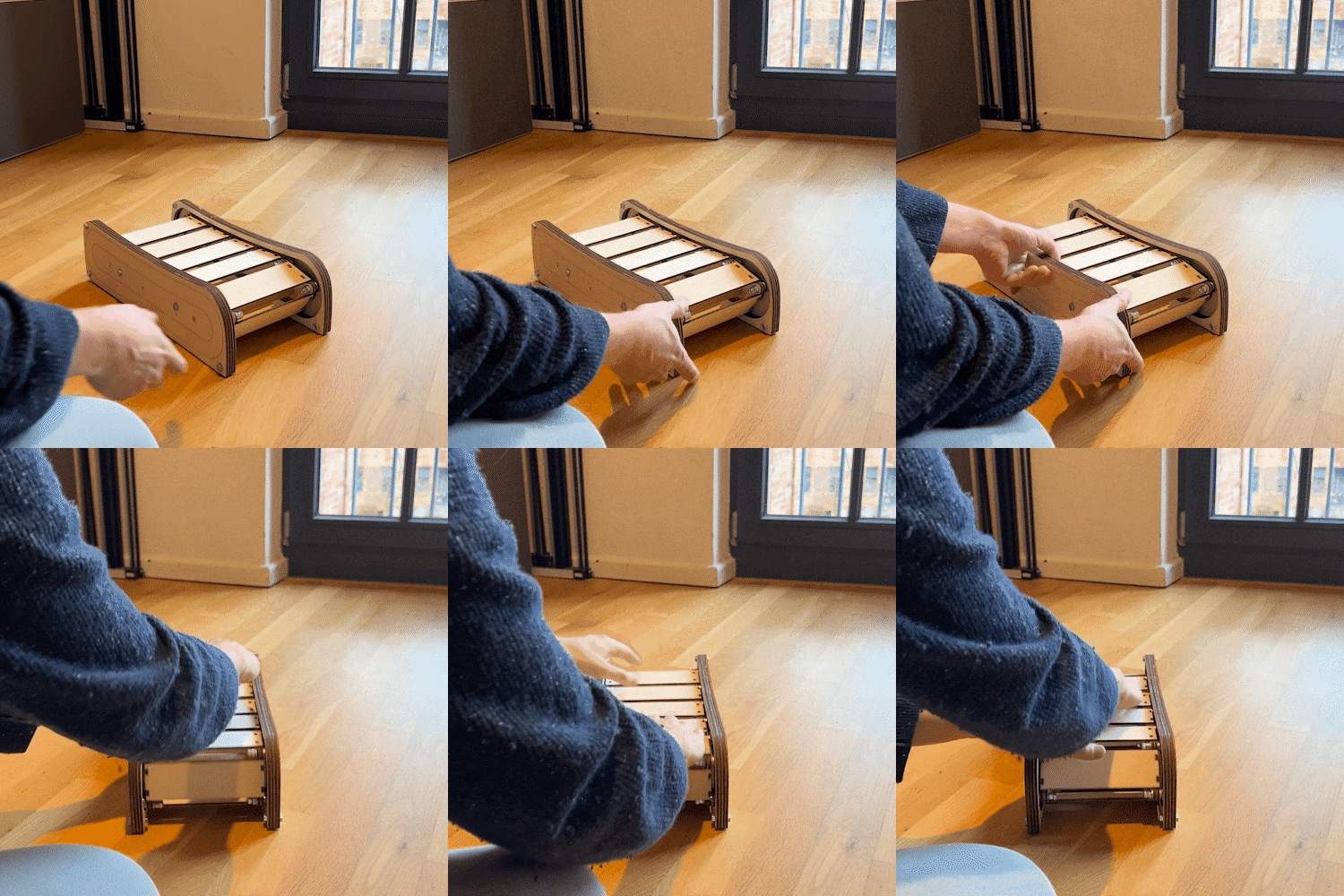
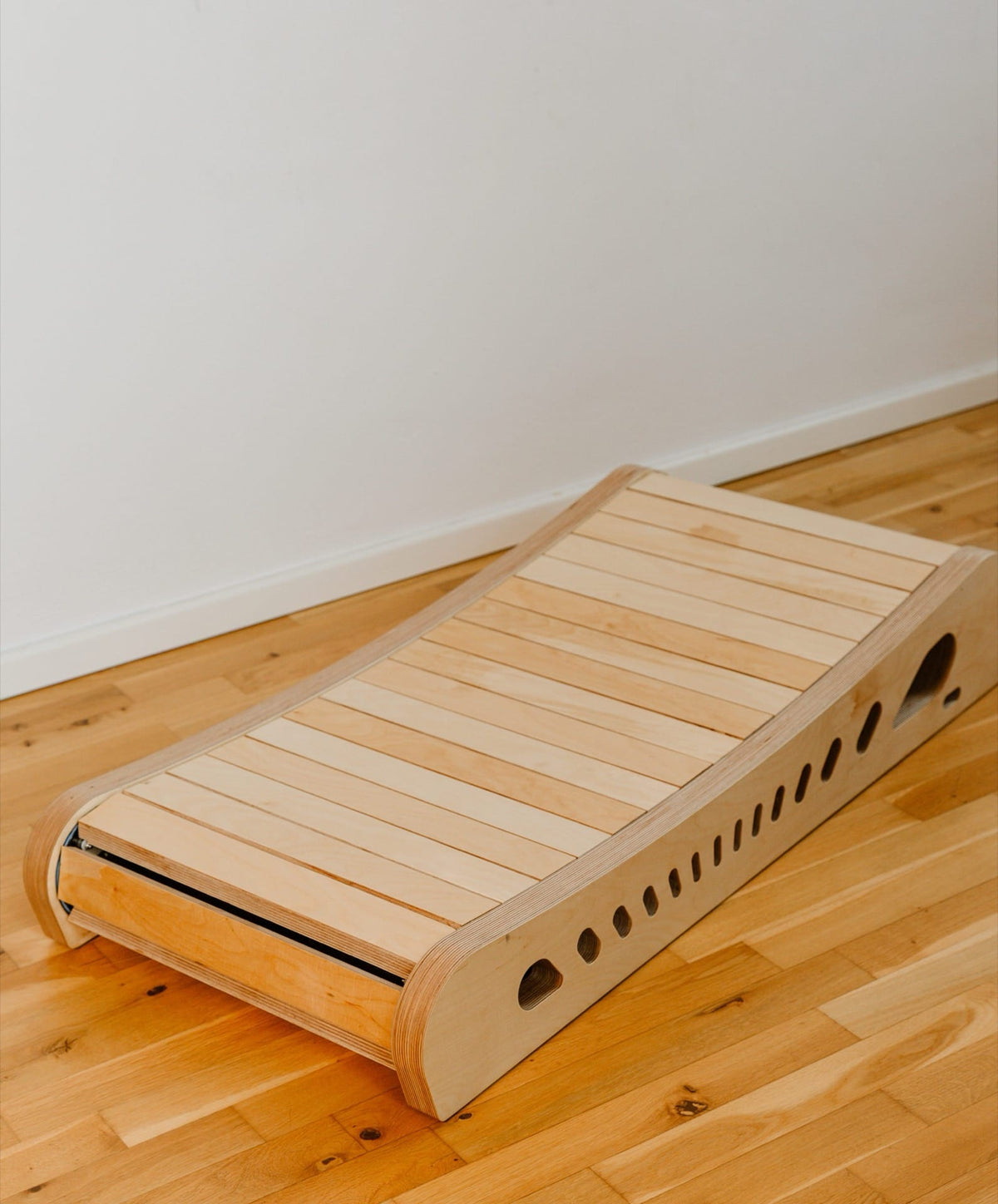
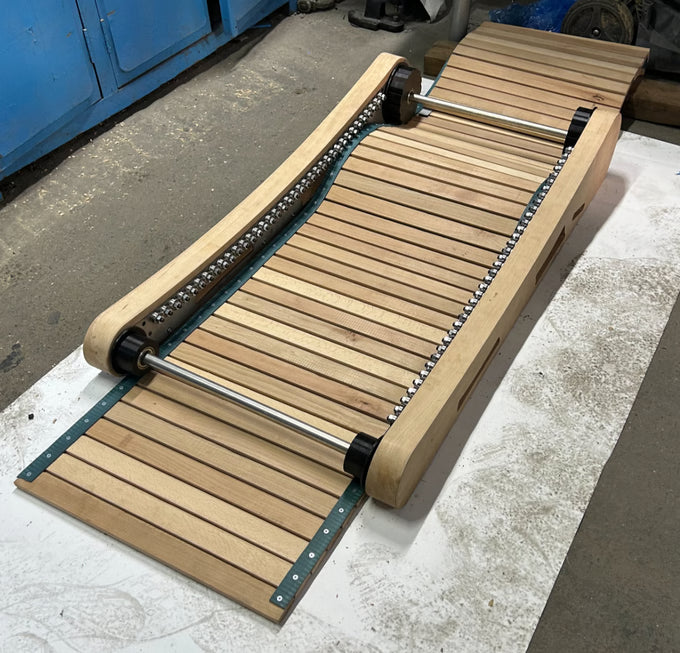
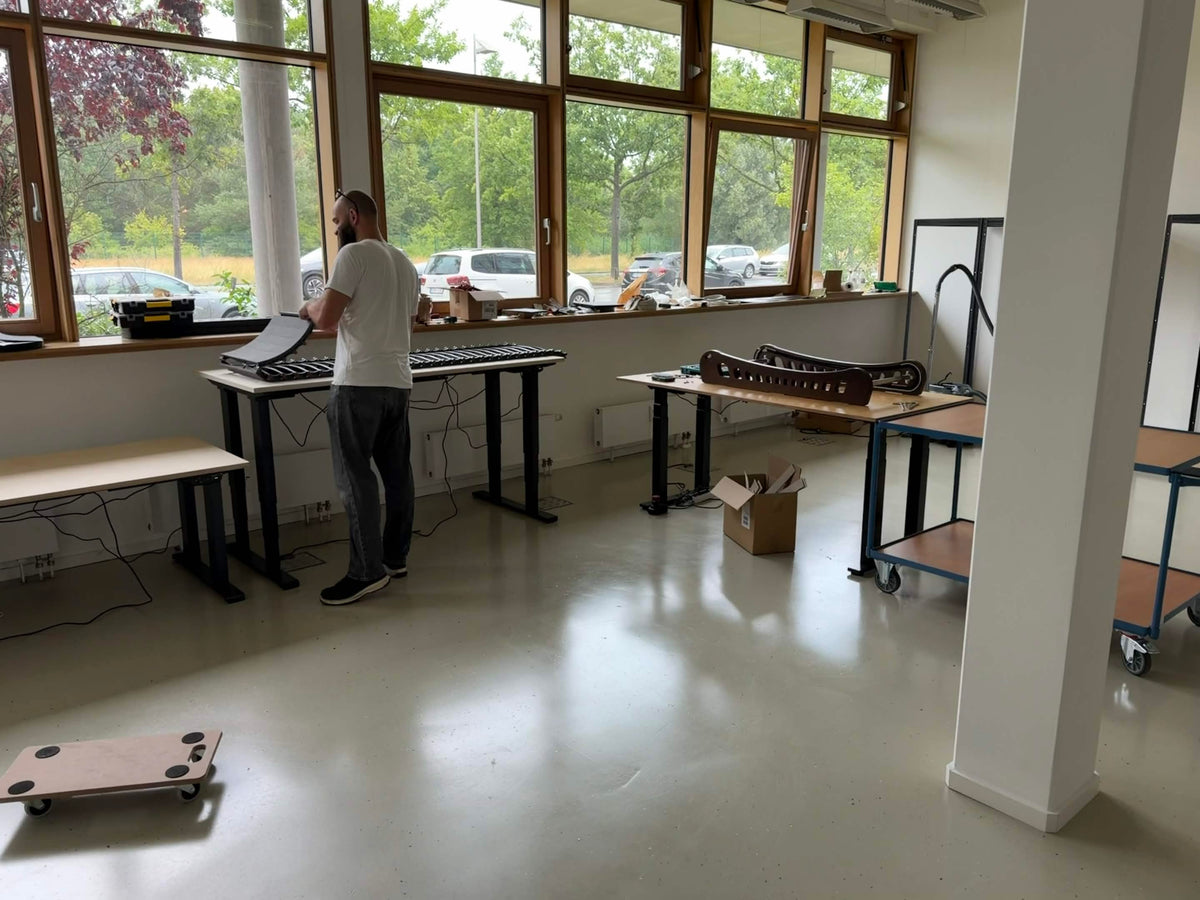
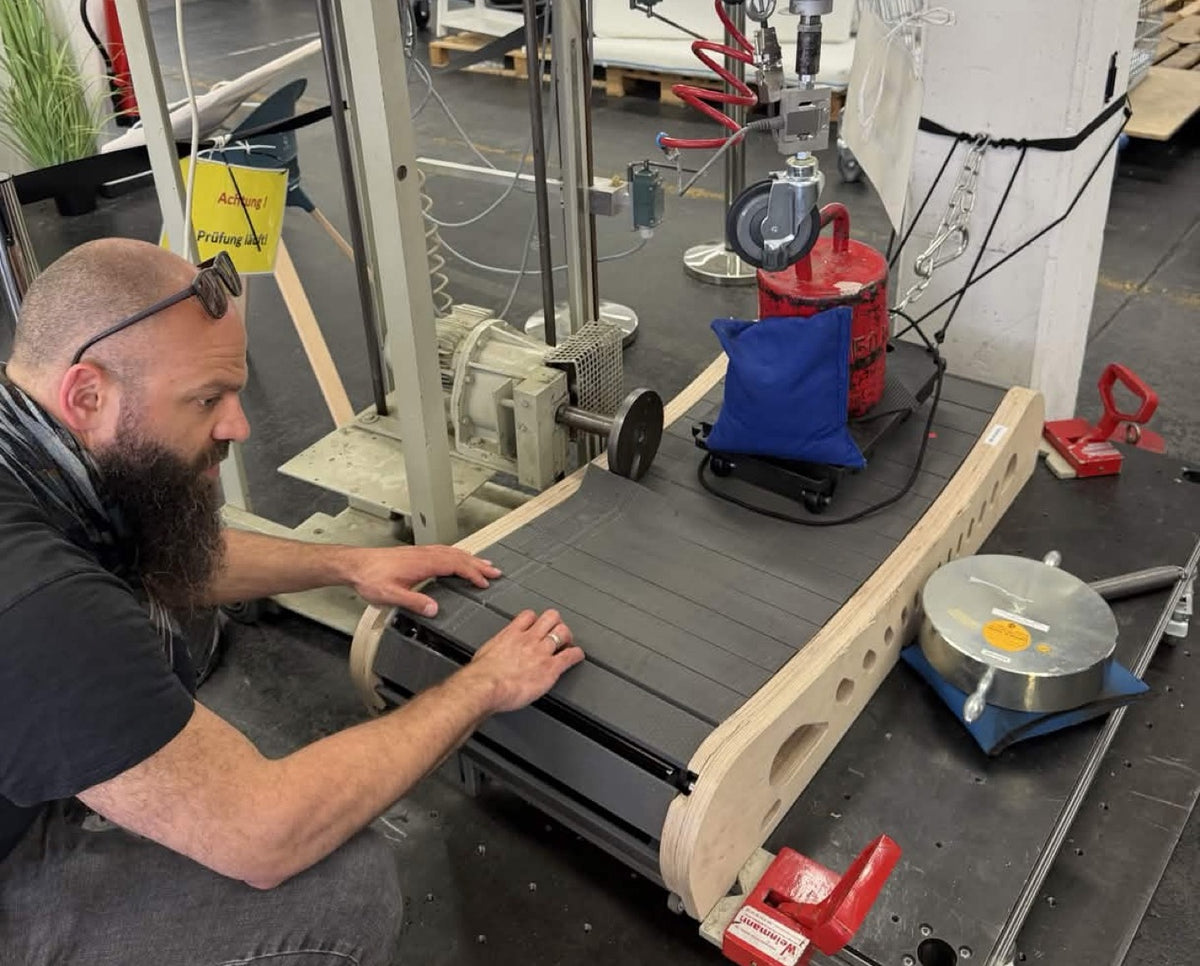
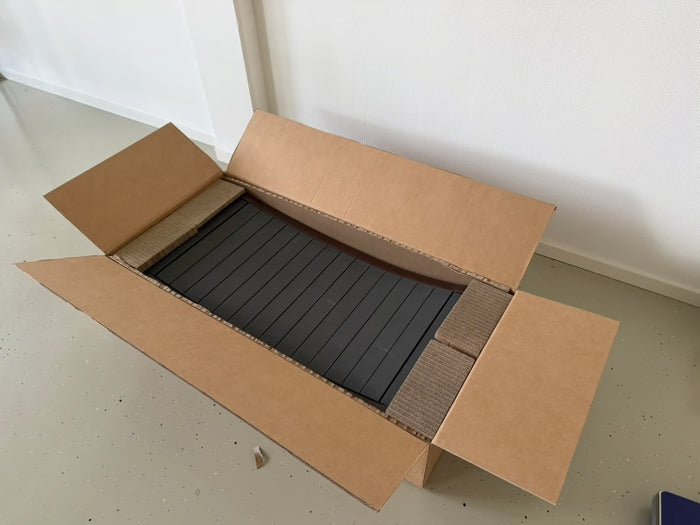
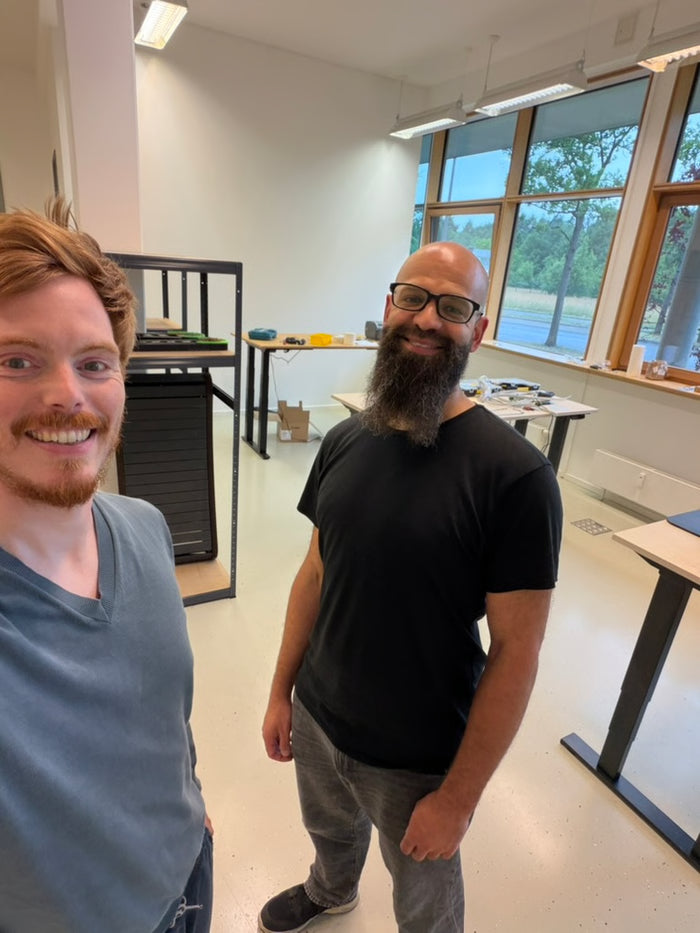
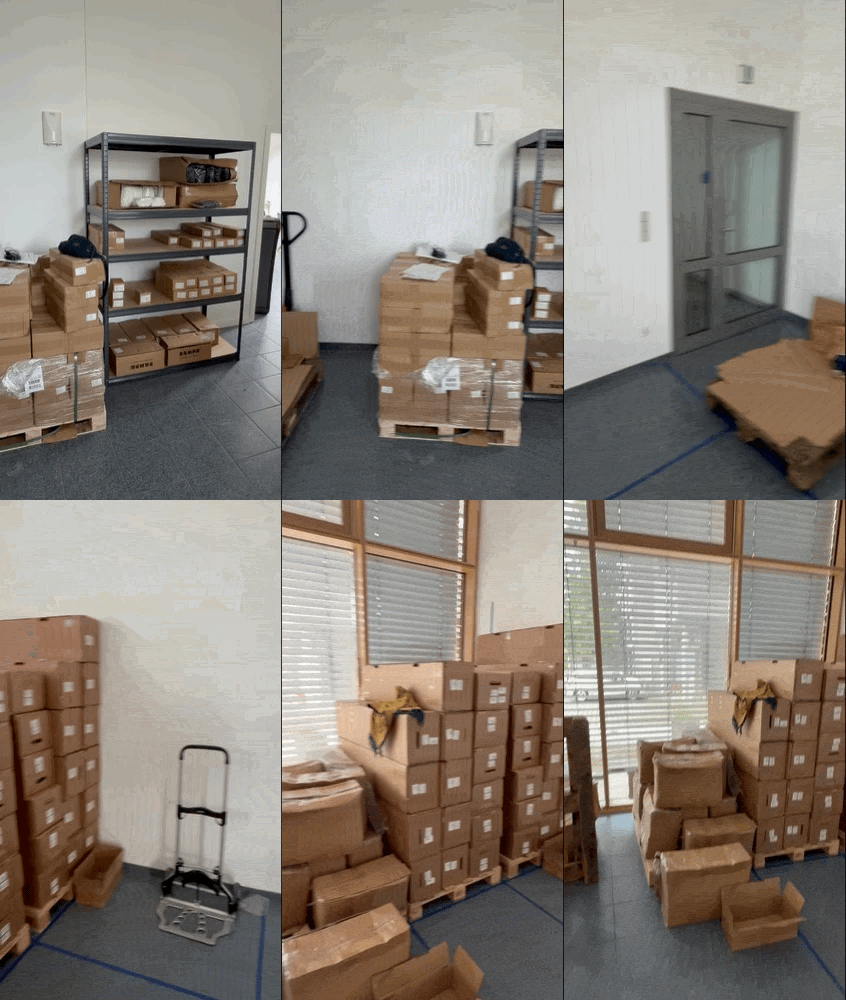
The idea
A desk job, two small kids, and the growing sense that sitting all day was costing me something.

The first prototype
Built on the mechanics of a traditional curved manual pad. It moved well and it was far too big.

Five prototypes, tested
A new mechanism, then five more prototypes, each one fixing what the last one got wrong.

The patent application
The new mechanism was different enough to protect, so we filed a provisional patent application.

Wood, then soft touch slats
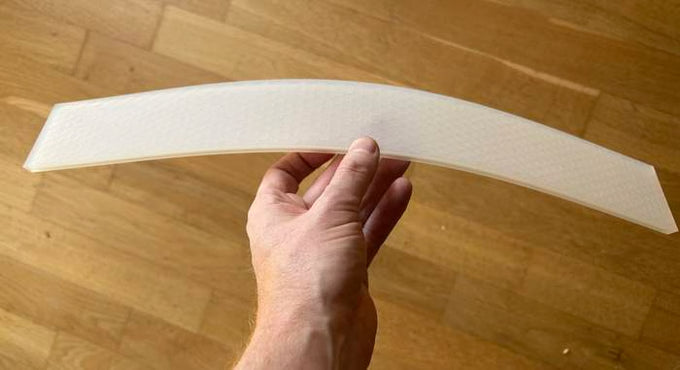
The wooden model came first. Then the soft touch slat covers that made it comfortable barefoot.

Lab testing, and a space to build in
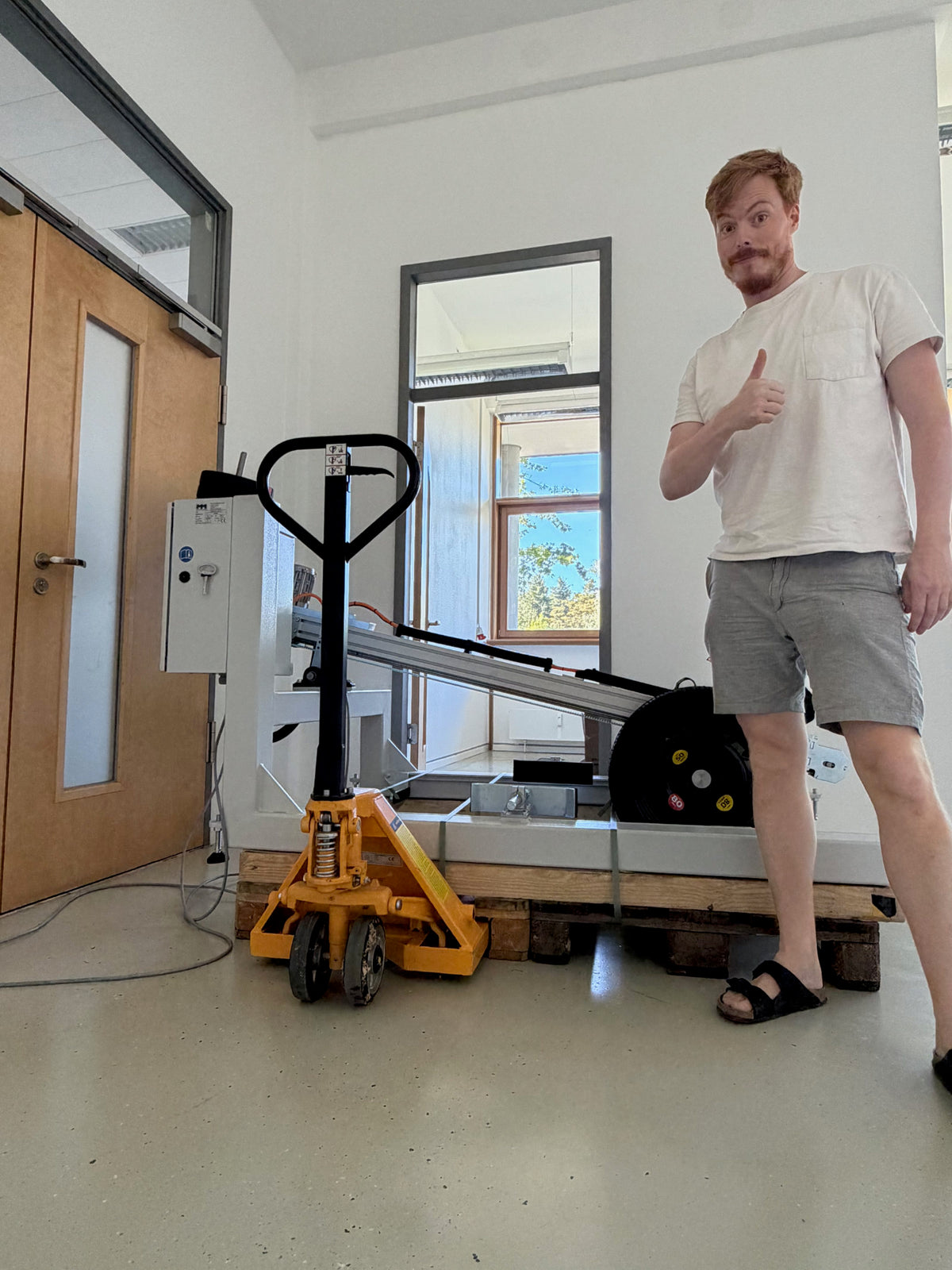
Concept devices went out for durability lab testing and production optimization, and we leased the production space.

The production setup finished
The line was built and finished, ready to make units rather than prototypes.

Product finalized
Product and testing signed off, and the final parts ordered.

The pilot run
Thirty to forty units, built and tested one by one, to break the packaging and the shipping before volume starts.

The first backer batch
250 units ship, and fulfilment carries on pledge tier by pledge tier from there.

Wave two
The second wave ships.

500 a month
Capacity moves to 500 units a month, and the remaining backers are shipped.

The electric ones broke. The Manual ones cost couple of thousands.
Cheap electric pads are loud, draw power all day, and are landfill within a year or two once the motor gives out. The few beautiful manual ones were enormous, gym sized, and priced in the thousands.
There was nothing in between: quiet and manual, small enough for a real home, and made to last. That gap is the reason I started.
The people behind it
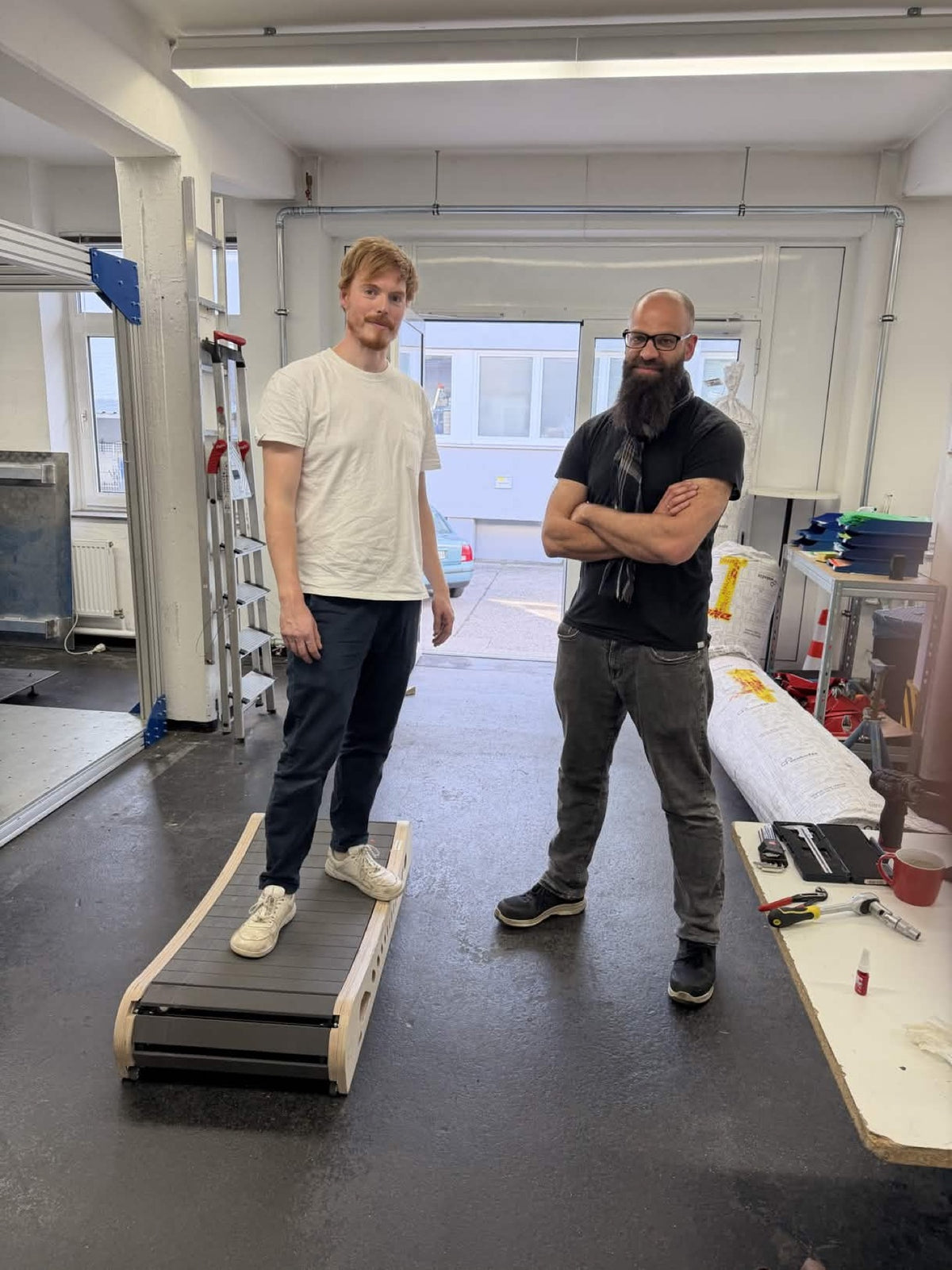
A small team in Berlin, with partners across the EU. When you email us, one of these people answers.

Started this at his own work from home desk in Berlin, and still walks on one every day.

Builds the store, the emails and the search presence behind it.

Assembles and tests Walkers with Johannes at the Berlin workshop.

CAD, structural calculations and FEA, Production line set up,

Running the campaigns and our social media.
The hard part was making it feel natural at a slow walk.
A manual pad has to move easily enough that a slow shuffle works, and hold up to being walked on every day. Getting both at once took a new mechanical system, which we have patent applications on in the EU, the US and internationally, and more than a year of prototypes to make quiet and smooth.
It runs on Italian steel bearings under a wood and steel frame, and every part of it can be repaired win 10 mins if anything wears out. That mechanism is what the whole thing is built around.

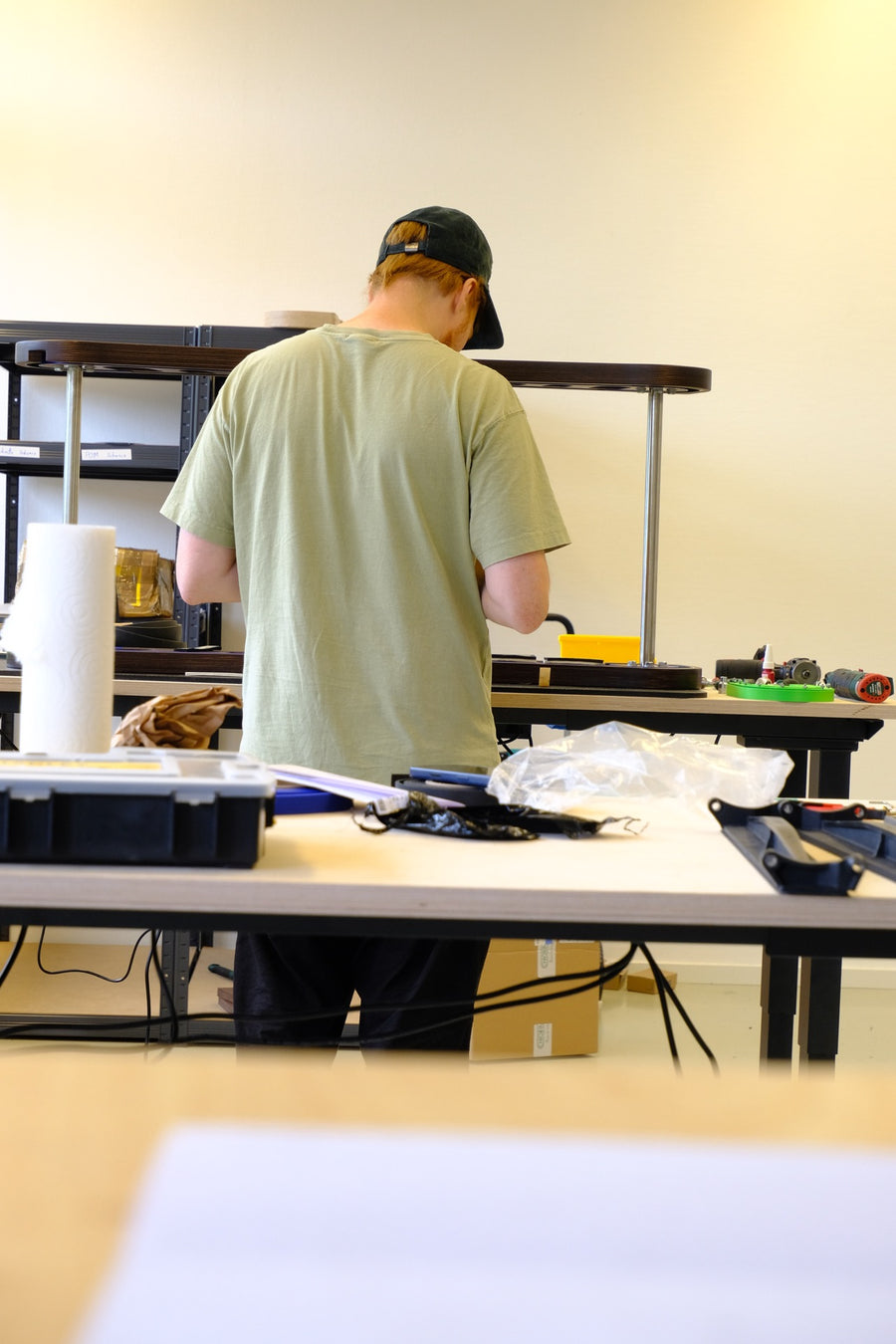

I built it to be kept, not thrown out.
Most consumer products are designed to be replaced. I designed the opposite: wood and steel, parts you can name and order on their own, and a deck that opens with two bolts.
If yours is still doing its quiet job in 10 years, I got it right. That is the only benchmark I care about.
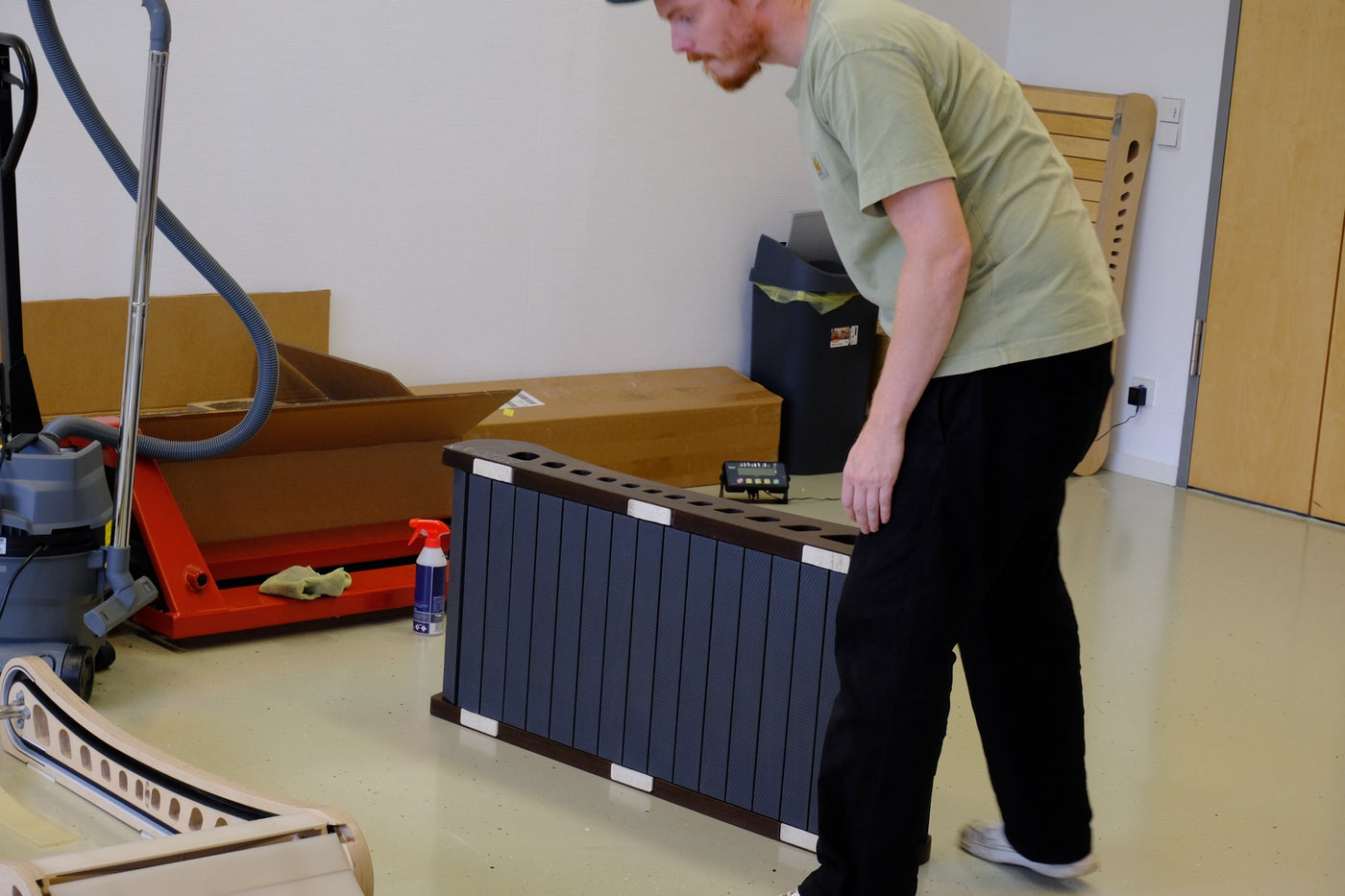
Every part comes off, and we send you the one that wore out.
You fit it yourself in about 10 minutes, with the tools you already have at home and a video guide for the job. If anything breaks, we ship you the part. This was designed to be repaired rather than replaced, and that is the whole point of it.
Get your name down for one.
Backers get theirs first. After that the waitlist orders, below the price the store will charge once it opens to everyone. Tens of thousands of people are already on it, so it is worth putting your name down now.